
Learn
Understand the basics of the climate and environmental emergency and why we need to take action.
Understanding environmental sustainability
Environmental sustainability can sometimes feel like a complex topic, but understanding the basics can help organisations make informed decisions and identify opportunities for positive change.
This section brings together trusted information, videos and resources to help you explore the environmental issues affecting our communities, why they matter and what they could mean for your organisation.
Climate and Carbon
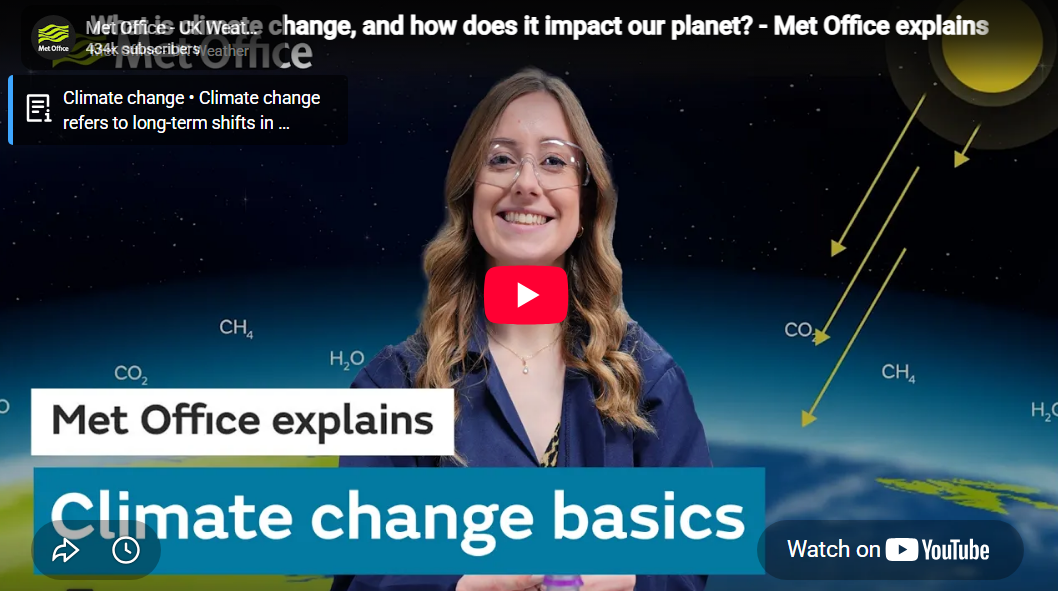
Our climate refers to the average weather pattern in a region over a long period of time, such as in polar, tropical and temperate regions (where the UK lies). The Earth’s climate is warming rapidly because of the large amounts of carbon released into the atmosphere by humans - more than nature can handle. This carbon was stored underground for millions of years as fossil fuels, such as gas and oil. By extracting and burning these fuels for energy, transport, and industry, we’re releasing that stored carbon back into the atmosphere.
It took 1 million years to form the fossil fuels we consume in just one year.
Combined with deforestation and destruction of natural habitats, our planet cannot process these gases quickly enough. Gases like carbon dioxide and methane build up in the planet’s atmosphere and prevent the sun’s rays from escaping. Instead, most of this heat or radiation is reflected back to Earth, causing the planet to warm at an alarming rate.
We all create carbon emissions, either as individuals or organisations. We rely on fossil fuels to heat where we live and work, to travel, and to create the things we buy and use. The annual amount of emissions a person or organisation creates is called their carbon footprint.
Want to find out more? Here are some useful links:
- Climate change: The Facts
- What is climate change?
Why does this matter for VCSE organisations?
We have entered a climate emergency. This means rapidly changing weather systems worldwide, in the UK we are seeing more frequent storms and flooding in the winter and more drought in the summer. We are now living through the effects of these changing patterns and they are only set to become worse. It will mean growing numbers of wildfires; farming conditions becoming unpredictably difficult and rising sea levels covering our low lying coastlines.
Climate change affects every community in different ways. From rising energy costs from extreme weather to increasing health inequalities and pressure on local services. Many of the challenges facing communities are linked to our changing environment.
VCSE organisations are already responding to these challenges every day, from changing the way they travel and heat their buildings to choosing sustainable suppliers and reducing their waste. Understanding climate change can help organisations reduce their environmental impact, strengthen resilience, identify opportunities to save resources and better support the communities they serve.
Our Living Planet
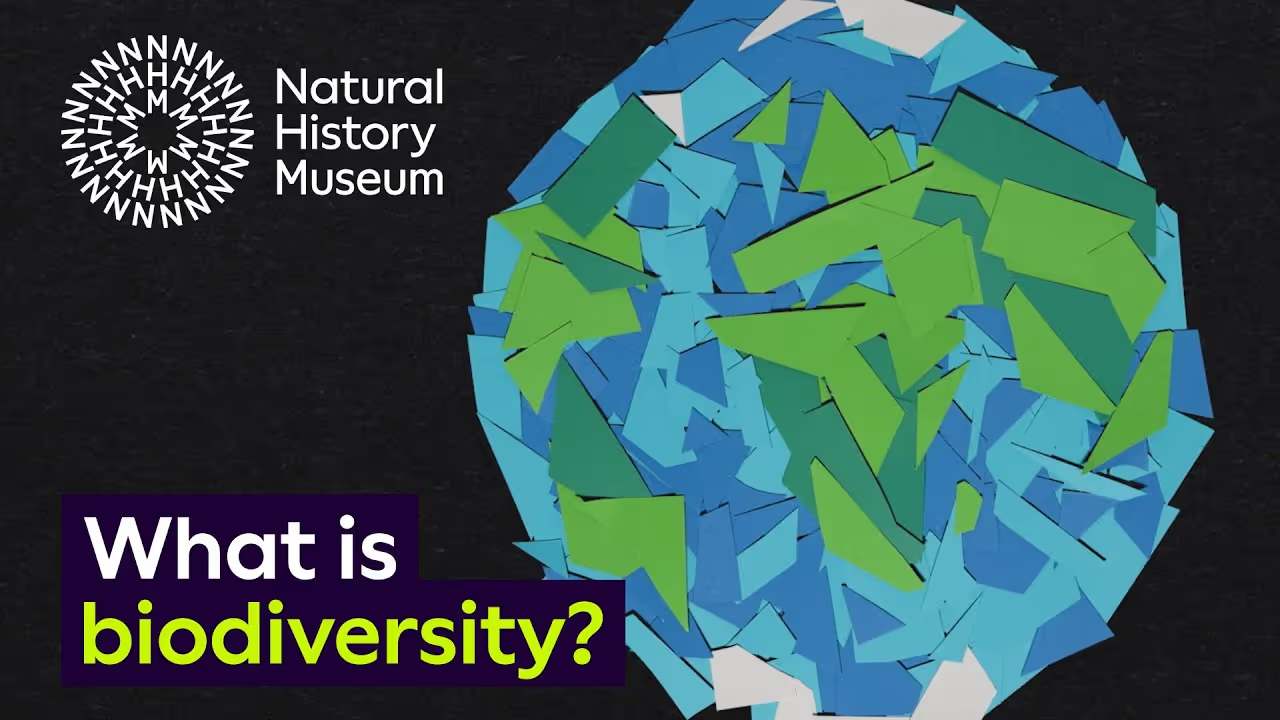
Animals, plants, fungi, and micro organisms living together in one area form ecosystems - complex networks of life that are part of what we call biodiversity. This biodiversity, both local and global, is deeply interconnected and supports essential systems that provide us and all living things with clean air, fresh water, and food.
Human life depends on a healthy, living planet. Our survival and well-being are tied to the natural ecosystems and cycles that meet our basic needs and enable us to thrive. For humanity to flourish, we need a world that is rich in life, diverse in species, and resilient in the face of change—protected not just for us, but by us.
Yet, our actions—when combined with the effects of climate change—are putting this delicate balance at risk. We’ve overfished our oceans, converted a third of the Earth’s land habitats into monoculture farmland, and polluted our rivers and seas. According to the WWF, as a result of human activity, global populations of mammals, fish, birds, reptiles, and amphibians have declined by an average of 73% since 1970. We have upset the balance and we can no longer take our planet for granted.
Why does this matter for VCSE organisations?
The catastrophic impact of biodiversity loss is often likened to the impacts of climate change. Both are devastating, yet their solutions are often linked. An example of this is habitat restoration or rewilding, where the reintroduction of plants and trees removes carbon from the atmosphere whilst increasing biodiversity in the area.
Whether you're managing land, running community activities or simply looking after your workplace, there are practical ways every organisation can help protect and enhance biodiversity. Ideas include introducing plants and trees around your organisation’s building, establishing bee friendly flowers in pots to installing a living roof or pond. In turn, these healthier natural environments will contribute to healthier people and stronger communities. Access to green spaces can improve wellbeing, reduce social isolation and support physical and mental health.
Our Water
Water is vital for sustaining life – human life, wildlife, society and our local environment. Freshwater habitats are in decline and many of our rivers, ponds and wetlands have been destroyed and polluted. In the UK alone, we have lost 90% of our wetlands in the last 100 years. This is not only detrimental to our wildlife, but also to the availability of water in our homes and businesses because much of our water infrastructure depends on these natural habitats for water transportation and storage.
In our rapidly warming climate, this decline in natural habitats and the high volume of water we all consume is leading us towards a water crisis in the UK. Severe water shortages are becoming more frequent and it is predicted that by 2030, these will be common place for many areas of the country.
.avif)
Why does this matter for VCSE organisations?
Water is becoming an increasingly important environmental issue. More frequent droughts, flooding and changing weather patterns affect communities, buildings and local services across the North East.
We can all do our part in reducing the strain on our water supply and natural infrastructure. This may be through checking and reporting leaks; installing a water meter in your building or reducing your daily water usage. Understanding how water is used can help organisations reduce waste, lower costs and improve resilience while contributing to healthier local environments.
A Just and Fair World
Every person has the fundamental right to safety, food and health. With a rapidly warming climate, these rights are being put at risk. Yet, the impacts of climate change disproportionately affect the people and places least responsible for the problem. Low income communities, indigenous communities and communities of colour carry much of the burden of climate change and often have the least resources to protect themselves.
In the UK, marginalised communities carry this same unjust burden. Examples being; increased exposure to polluting industries, reduced economic resilience to flooding and drought and limited access to clean air, water and green spaces – often, whilst having lower carbon footprints. This highlights how social and racial injustices interlink with each environmental crises mentioned above. Recognition of this interconnection is often called climate justice, an approach that hopes to tackle the climate crisis whilst creating a more equal world.
Why does this matter for VCSE organisations?
The impacts of climate change are not experienced equally. Communities already facing poverty, poor health or social disadvantage are often the most affected by environmental change.
Responding to climate change gives us the chance to find solutions that are radically inclusive for all groups of people, creating a future that uplifts every community whilst also restoring the health of our planet. Think cleaner air, safer streets and lower energy bills. Think access to green space for everyone, warm homes in the winter and equal access to nutritious local food. Think about the ways your climate solutions can help create a more fair and just future for your community.
Many VCSE organisations are already supporting people experiencing these challenges. Understanding climate justice can help organisations consider how environmental sustainability and social justice work together to create healthier, fairer and more resilient communities.
Where can I learn more?
Look at the links below to find out how we can help you to learn more and to take action.
Useful resources
- Downloadable climate resources: check out our resources page
- Action steps: find out how your organisation can take action
- Learning modules: Climate Literacy EU eLearning Modules
- Short online courses: Future Learn Understanding Climate Change
Ready to explore practical action?
Understanding the issues is an important first step. When you're ready, explore practical resources, tools and ideas to help your organisation put learning into action.
